































Table of Contents
- Key Points
- The Enduring Power of Python Programming
- Python's Impact on Industries
- Getting Started with Python
- The Cost-Effectiveness of Python
- Python's Strengths and Weaknesses
- What Are Python's Most Noteworthy Aspects?
- Where Can Python be Used?
- Frequently Asked Questions About Python
- Related Questions


The Enduring Power of Python Programming
Why Python Remains a Widely Used Programming Language in 2024
Python's widespread adoption isn't by chance. Its design philosophy prioritizes code readability and a simplified syntax, making it an excellent choice for both novice and experienced programmers. Unlike some languages that require extensive boilerplate code, Python allows developers to focus on the core logic of their applications. This leads to faster development times and easier maintenance, a crucial advantage in today's fast-paced tech landscape. The language is adaptable. This flexibility has enabled it's integration into practically every sector of programming from developing web apps to performing complex scientific computations.
Another huge boost of Python’s is its cross platform abilities, which means it can run on any operating system without having to rewrite or recompile the code. With its flexibility to run on any machine, there are endless amounts of applications you can build.
Repeatedly mentioning the WORD 'Python' reinforces its role and value, making the text more SEO-friendly. The prevalence and influence of Python is really high and the future is only looking brighter. Learning Python now will make you a valuable asset in any software development team.
Python: The Heart of Artificial Intelligence and Machine Learning
The artificial intelligence and machine learning realms are where Python truly shines. Several libraries, including TensorFlow, Keras, and PyTorch, provide the tools necessary to develop complex neural networks and machine-learning models.
These resources streamline the AI development process, allowing researchers and engineers to concentrate on innovation rather than struggling with low-level implementation details.
The dominance of Python in AI and Machine Learning has only increased as more people are adopting the language. In 2024 AI has become the future of software and the integration with Python will be as well. By using Python you will open yourself up to a larger library database and more opportunities.
How Python Changed Web Development and Data Science

Python's impact on web development and data science is revolutionary. Frameworks like Django and Flask provide robust tools for building scalable and maintainable web applications. These frameworks offer features such as URL routing, templating engines, and database integration, simplifying the development process and allowing developers to create complex web applications with less code.
In data science, Python facilitates data manipulation, analysis, and visualization. Libraries such as Pandas and NumPy offer data structures and functions for efficient data processing, while Matplotlib and Seaborn enable the creation of informative visualizations. These tools empower data scientists to extract insights from large datasets and communicate their findings effectively. As new technologies and better software come into light, Python’s adaptability to all platforms makes it a must.
Python as the Go-To Tool for Every New Innovation
Python's adaptability makes it the ideal tool for new technological advancements. Its wide array of libraries and frameworks allows developers to rapidly prototype and experiment with new ideas, making it a vital part of innovation. Whether you are working on software, web development, or engineering projects Python can do it. The versatility is why the software will remain highly used throughout the world.
By continuing to adapt to new technology, Python continues to be the go to tool for developing new innovative ideas. It has also created a huge online support to help new users learn the technology easier.
Python's Evolution: From Late 1980s to Today
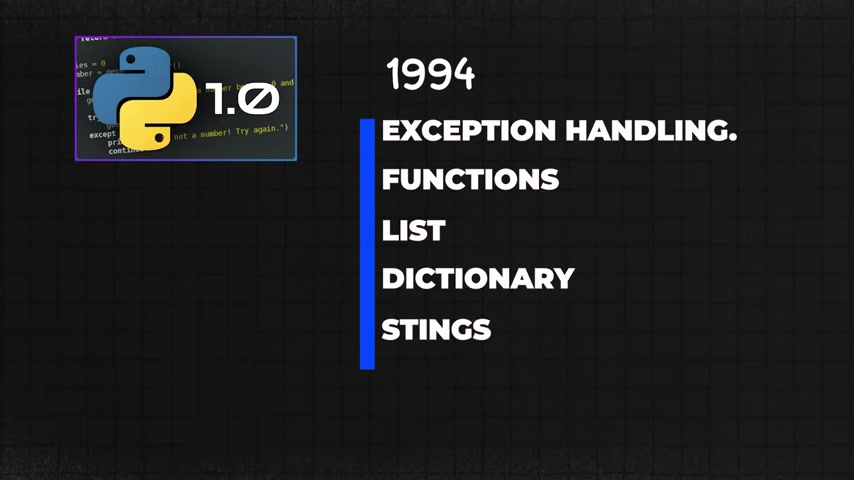
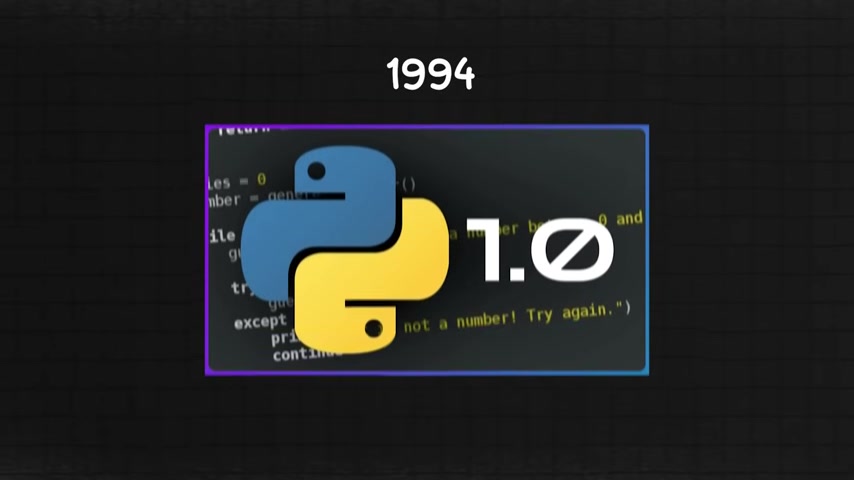
To fully appreciate Python's current status, it's essential to understand its origins. Guido van Rossum, a talented programmer, began working on Python in the late 1980s with the goal of creating a language that was easy to read and simple to use. This goal led to the invention of Python. His primary goal was to make it the first language to learn as he called it “a successor to the ABC language".
This lead to Python's focus being on being simple enough for first time users while also maintaining the flexibility to work on complex tasks.
This would soon be available and popular for developers and new users alike.








Most people like

































Report
Please select a reason for reporting
- 13 Reasons to Switch from Snapchat to Text Messaging
- 7 Powerful Speech to Text Apps to Boost Productivity
- 10 Best Speech to Text Tools for Effortless Transcription
- 13 Free Tools to Easily Transcribe Audio to Text
- 15 Surprising Ways Google's Speech-to-Text Boosts Productivity
- 7 Best Free Online Audio to Text Transcription Tools
- 9 Tips to Transcribe Speech to Text Faster and Better
- 13 Best Speech to Text Software for Windows 10 in 2023
- 7 Tips for Choosing the Best Transcriber for Audio to Text
- 11 Reasons Why Dragon Speech-to-Text Apps are Game-Changers
- 6 Secrets to Enhance Your Speech to Text Transcription
- 6 Brilliant Ways to Boost Productivity with Talk-to-Text on Your MacBook
- 6 Ways Transcription Software Converts Audio to Text
- 8 Tips to Transcribe Speech to Text Like a Pro
- 6 Reasons IBM Watson Speech to Text is a Game-Changer
- 14 Powerful Ways Talk-to-Text Improves Your Workflow
- 12 Top Windows Speech-to-Text Software for Efficient Transcription
- 12 Game-Changing Benefits of Apple's Speech to Text Technology
- 9 Powerful Use Cases for AWS Speech to Text Technology
- 10 Easy Steps to Transcribe YouTube Videos to Text
- transcription audio en texte
- online audio transcription
- free audio file transcription
- free ai audio transcription
- audio transcription service
- audio transcription online free
- audio transcription free online
- audio to transcription software
- audio and transcript
- ai audio transcription free
- voice recording to text converter
- translate voice recording to text
- record voice to text
- audio recording to text converter
- voice recording and transcription
- chatgpt voice to text
- gmail voice to text
- speech to text reader
- speech to text ai free
- speech to talk
- How to Use AI Tools to Find Internal Linking Opportunities Across a Business Website
- Discover Your Perfect Haircut with AI Hairstyle Apps
- Free Reputation Calculator Tools: How They're Adapting to Score AI Visibility, Not Just Rankings
- Design Professional Flyers for Free on Your Phone
- Best Free Flyer Maker Apps for Android: Design Like a Pro
- How to Know If Your Business Is Ready for an AI Customer Service Agent
- Revolutionizing Storytelling: From Novels to Screenplays with AI
- Create Engaging Animated Explainer Videos with a Free AI Tool
- Stop Multi-Subscribing: Benchmark Top AI Visual Models in One Canvas
- Best Seedance 2.5 API Provider: Every Price on the Market, Checked at Source
- Top AI Social Media Management Tools: Automate Your Content Strategy
- Free AI Text to Video Generator: Create Stunning Videos from Text
- Discover 17 ChatGPT Alternatives: A Comprehensive Comparison
- Character.AI vs. Janitor AI: Which AI Chat Platform Reigns Supreme?
- Top Virtual Assistant Companies in 2026: Reviews, Pricing, and Plans Compared
- Unveiling FaceCheck.ID: Revolutionizing Reverse Image Searches with AI
- 11 Best AI Dialers in 2026: Features, Pricing, Pros and Cons
- How I Direct Consistent AI Clips: A Hands-On Guide to Multi-Model Generation
- A Realistic Review of the Photo Generator Image Tool
- Playwright MCP Server: Automated Web Testing with Agent Mode

Copyright ©2026 toolify